What drives the cost of a retaining wall in the Lower Mainland
We don't post prices online, because an honest number depends entirely on your site, and a made-up range just sets a wrong expectation. What we can do is explain what actually drives the cost, so when you get a quote, you understand what you're paying for and why two walls that look similar can land at very different numbers.
Wall height and length
This is the obvious one, but height matters more than length. A taller wall holds back more soil, which means more reinforcement, deeper footings, more drainage, and often engineering. Cross the 1.2 metre line and you've added design and permit costs on top of the build. A long, low wall is usually cheaper per foot than a short, tall one.
The material you choose
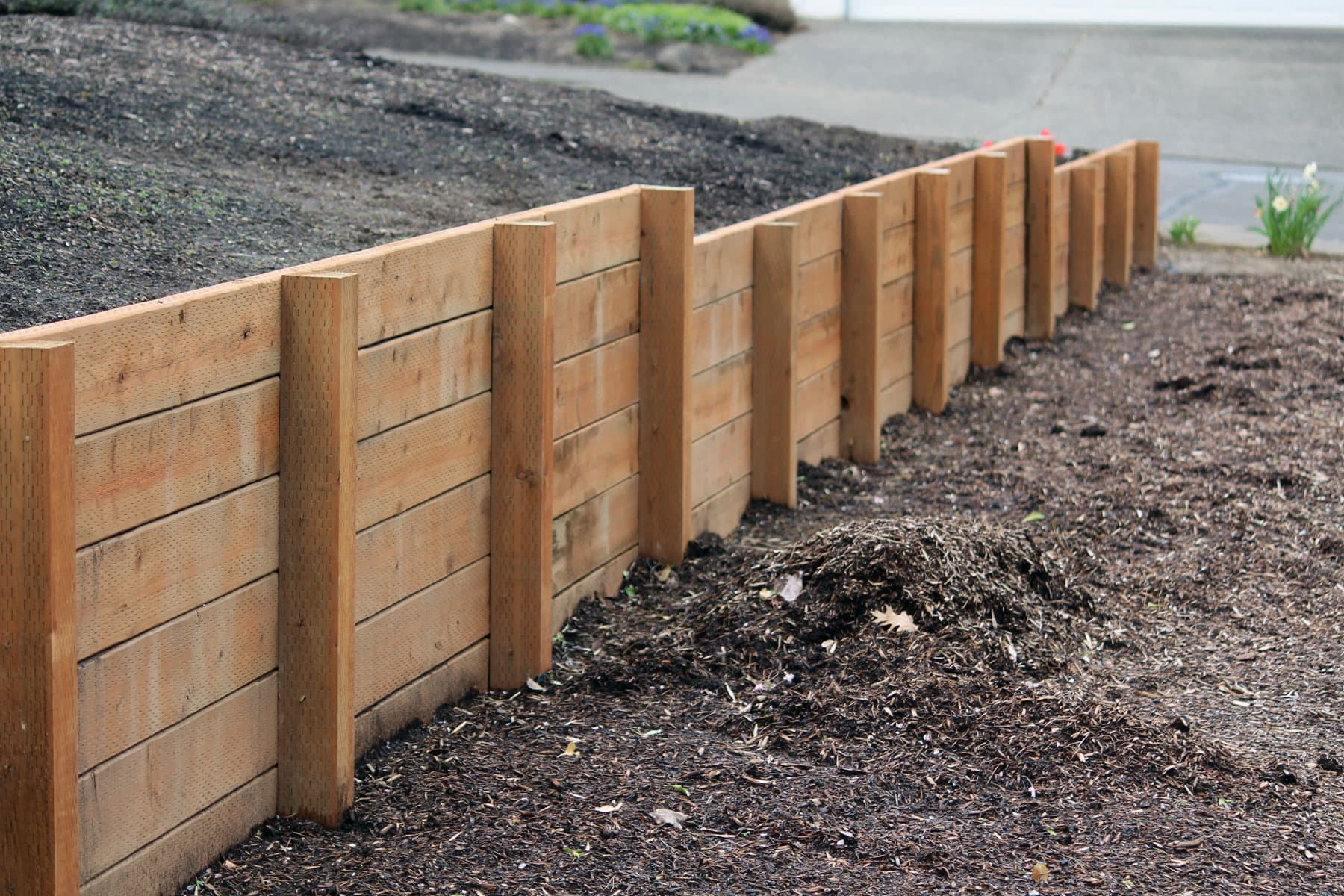
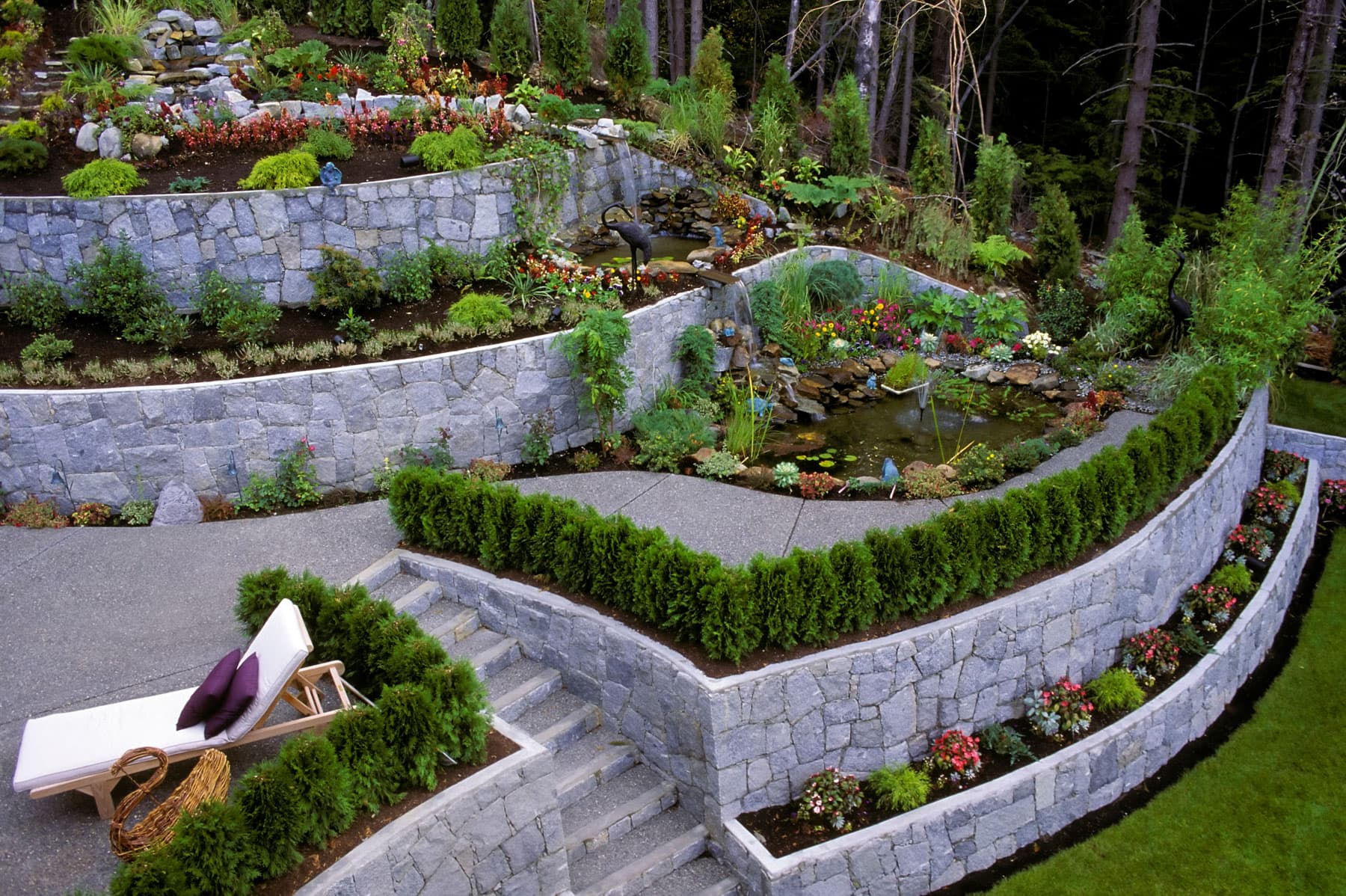
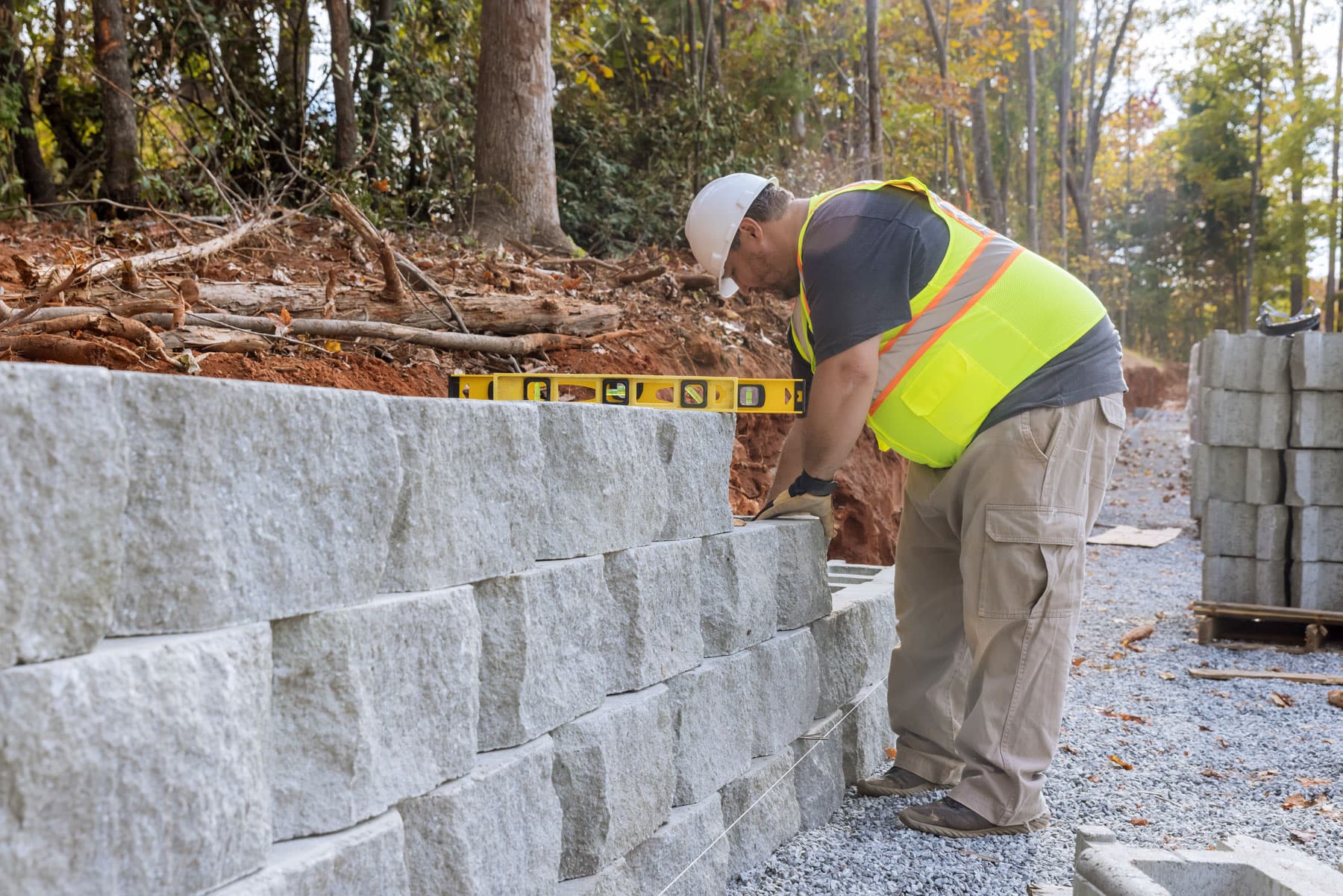
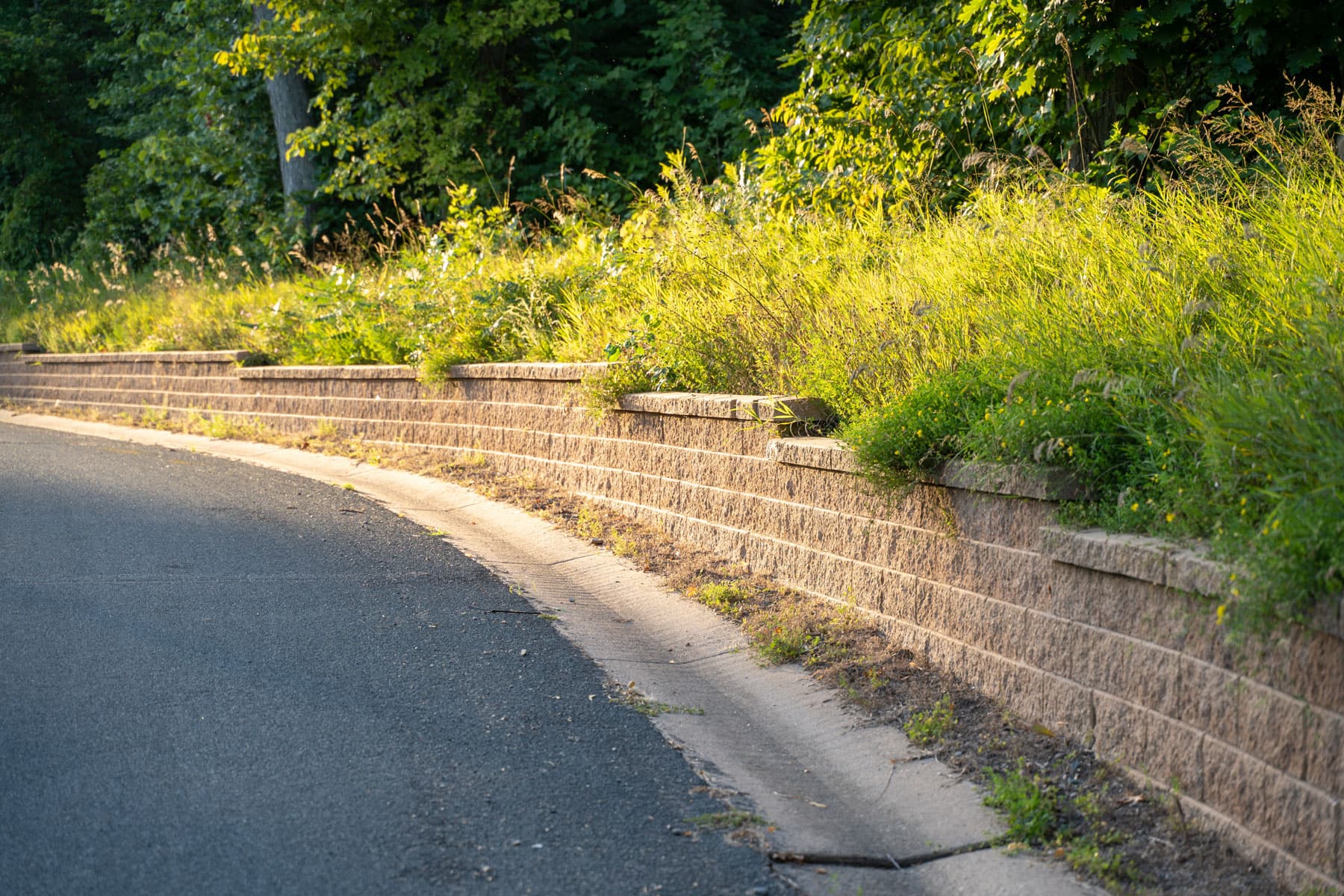
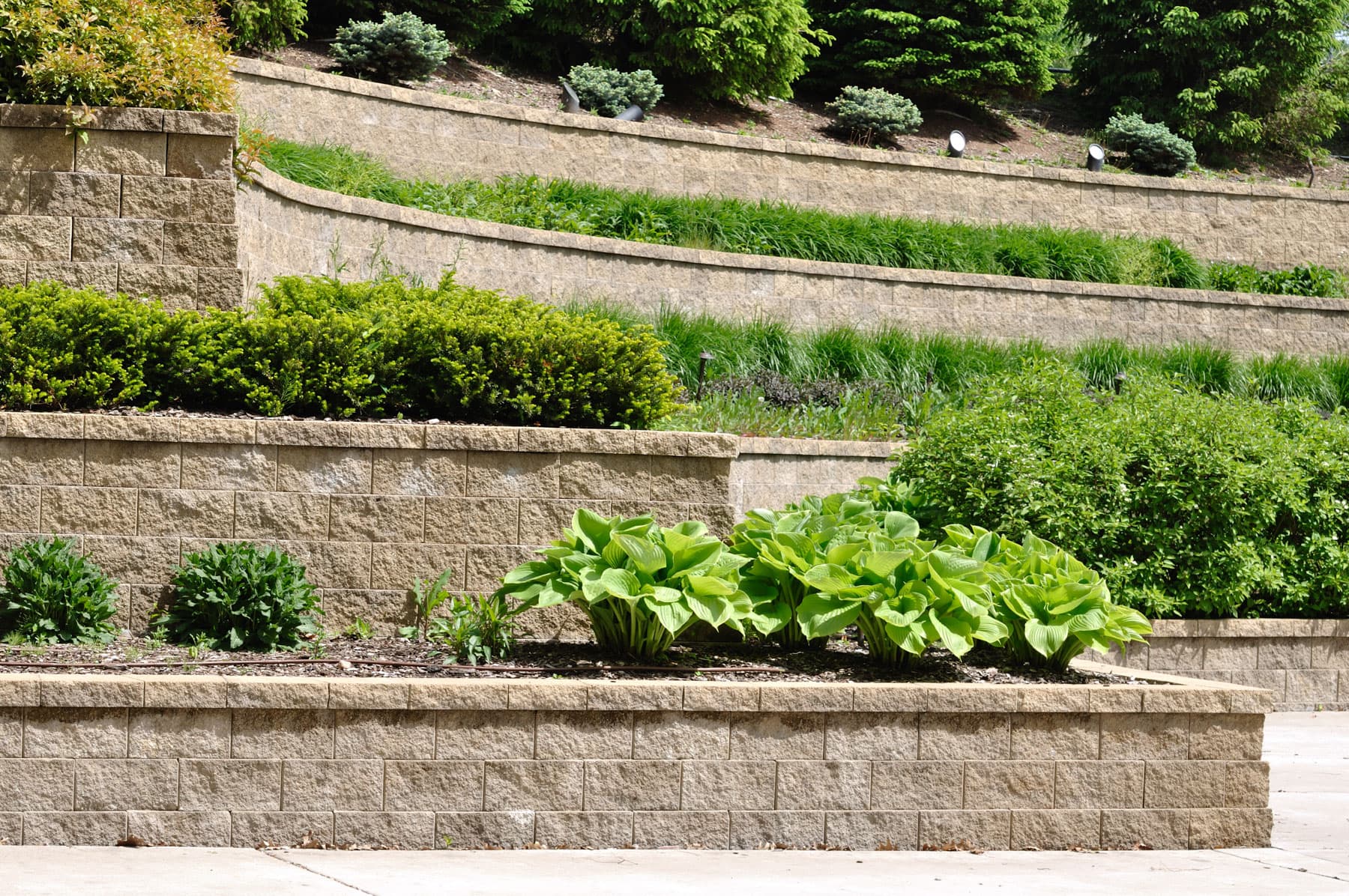
Segmental block sits in the sensible middle. Natural stone costs more because it's hand-fit and labour-heavy. Concrete adds forming, rebar, and waterproofing. Boulder can be efficient where there's machine access. The material is a real lever, and it's one of the few you fully control.
Site access
How easily we can get a machine and materials to the wall makes a big difference. A wall we can reach with an excavator and dump materials right beside is efficient. A backyard wall behind a narrow gate, where everything moves by wheelbarrow and the soil hauls out by hand, takes far more labour for the same wall. Access is often the hidden reason one quote is higher than another.
Drainage and what's behind the wall
Proper drainage isn't optional, and it isn't free. Clear crush, filter fabric, drain pipe, and a real discharge point all cost money and time. So does excavating and hauling away the soil behind the wall. Be wary of a quote that's notably cheaper than the rest. The drainage is usually what's been left out.
Engineering and permits
Any wall over 1.2 metres, near a structure, or on a tricky site needs a structural engineer and a city permit. That's stamped drawings, the submission, and inspections. It adds cost, but it's also what makes a tall wall safe and legal, and it protects you when you sell.
Removal of the old wall
Replacing a wall? Someone has to tear out and dispose of the old one, and a rotted timber wall or a crumbling concrete wall takes real effort to remove. That demolition and disposal is a line item people forget when they compare a replacement to a brand-new build.
How to get an accurate number
The only way to get a real figure is to have someone look at the actual site. We come out, measure, check the soil and the access, talk through materials, and give you a written quote with the scope spelled out. No guess over the phone, and no surprise change orders later.
When you compare quotes, don't just compare the total. Compare what's included. Does the cheaper quote include drainage, a compacted base, geogrid, and engineering where it's needed? Often the gap between two quotes is exactly the stuff that makes a wall last. Cheapest up front can be the most expensive over the life of the wall.